
Williston, North Dakota, grapples with a surge in robocalls (40% of total calls), driven by political campaigns and telemarketers. Local leaders push for stricter regulations, consumer education, and collaboration to block fraudulent calls. Residents are advised to register on the National Do Not Call Registry, report suspicious calls, and consult Robocall Lawyer North Dakota for legal protection under the Telephone Consumer Protection Act (TCPA). Community-driven initiatives and individual actions are vital in combating robocalls and ensuring safer communication.
In the digital age, communication has evolved dramatically, yet the rise of robocalls remains a pressing concern for communities across North Dakota, including Williston. These automated calls, often disguised as personal messages, have become a nuisance, invasive at times, and have led to a growing need for effective solutions. As the volume of robocalls increases, so does the frustration among locals. This article delves into the phenomenon of robocalls in Williston, exploring their impact on residents and businesses. We present practical strategies to combat this issue, offering insights tailored by a Robocall Lawyer North Dakota who understands the local landscape.
Understanding Robocalls: The Local Impact in Williston

The rise of robocalls has become a ubiquitous—and often intrusive—presence in the daily lives of Williston residents. These automated phone calls, often promoting political candidates, financial services, or telemarketing, have significantly impacted the local community. While some view them as a nuisance, others recognize the intricate web of communication strategies they represent. The sheer volume of robocalls can be overwhelming, with many locals receiving multiple calls daily, leaving many to question their legal rights and options against this widespread practice.
Williston, like many cities across North Dakota, has seen an increase in consumer complaints regarding these automated messages. According to recent data from the Federal Communications Commission (FCC), robocalls account for a staggering 40% of all phone calls received by Williston residents, with political and telemarketing campaigns being the most prevalent culprits. This surge has prompted local leaders and advocates to push for stricter regulations and increased consumer protections. A Robocall Lawyer North Dakota can play a pivotal role in navigating these complex legal issues, assisting individuals in understanding their rights and exploring potential avenues for relief.
The local impact of robocalls extends beyond mere frustration. They have the potential to influence voter behavior, disrupt businesses, and even affect public safety communications. In Williston, where a strong sense of community is cherished, these intrusions can create a feeling of unease. To combat this growing concern, residents are encouraged to familiarize themselves with local and state do-not-call regulations, report unwanted calls to relevant authorities, and seek legal counsel when necessary. By combining collective action with robust legal frameworks, Williston can strive for a more balanced and respectful communication landscape.
Rise and Reasons: Who's Making These Calls?
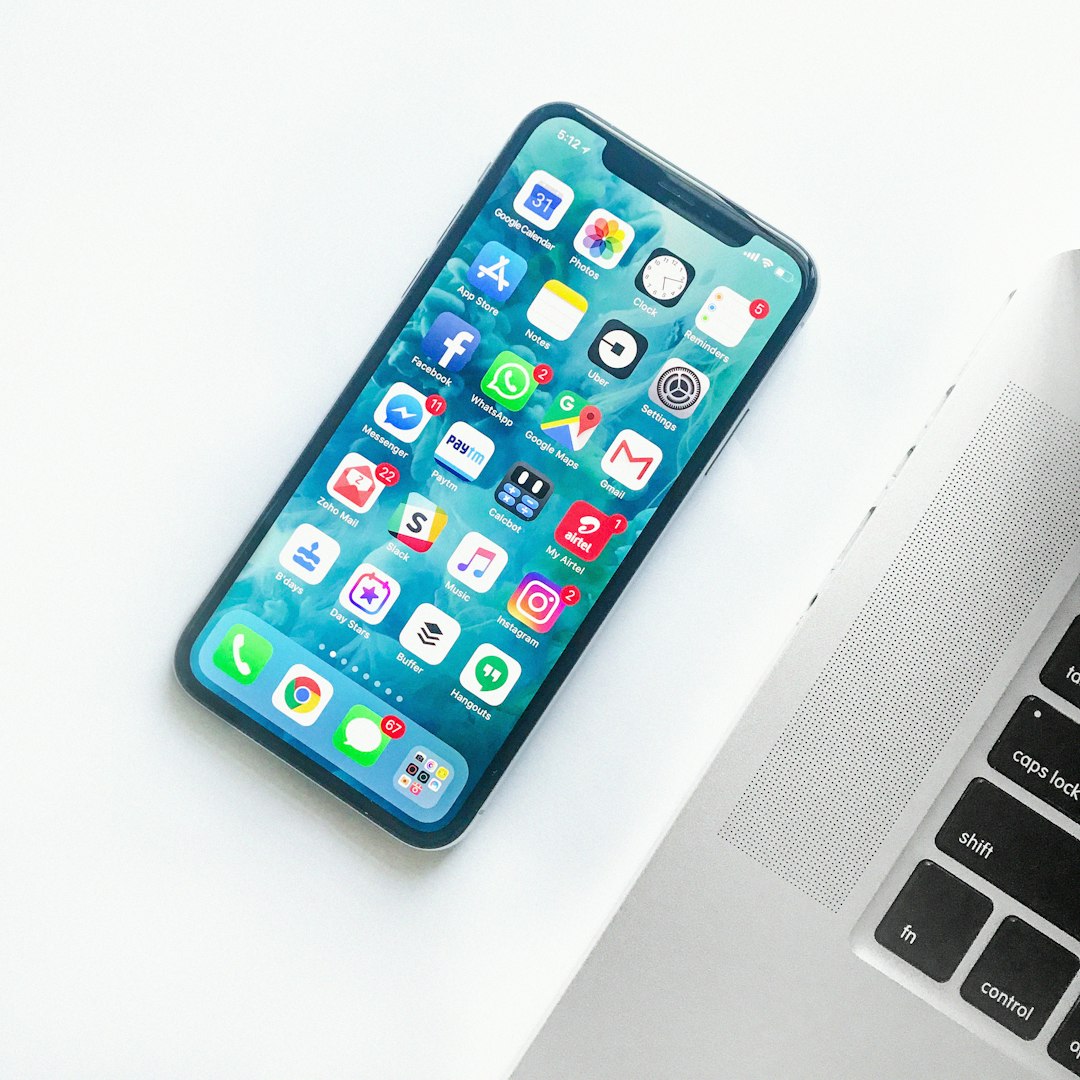
The surge in robocalls in Williston, North Dakota has become a pressing local issue, leaving many residents frustrated and seeking answers. These automated phone calls, often marketed as political or informational, have transformed into a deluge of unwanted and sometimes fraudulent communications. From telemarketers to scam artists, various entities are exploiting the ease of automated dialing systems. Recent data from consumer protection agencies indicates a significant increase in robocalls across the state, with Williston experiencing one of the highest rates per capita.
The reasons behind this trend are multifaceted. First and foremost, technological advancements have made it easier for businesses and individuals to employ robocall technologies. A Robocall Lawyer North Dakota would attest that many companies now utilize these systems for mass marketing campaigns, often without regard for individual privacy or consent. Moreover, the proliferation of VoIP (Voice over Internet Protocol) services allows callers to mask their identities, making it harder for recipients to trace the origin of these calls. Scammers, in particular, have mastered the art of using sophisticated algorithms and data aggregation to target specific demographics, making their robocalls more personalized and convincing.
Local authorities and consumer protection groups are working tirelessly to combat this growing problem. They advocate for stricter regulations and enhanced consumer education. A collaborative effort between law enforcement and telecomm companies is crucial in identifying and blocking fraudulent calls at the source. Additionally, residents are encouraged to report suspicious calls and share detailed information about the nature of the robocalls they receive. By combining technological solutions with community awareness, Williston can take a significant step towards mitigating the robocall crisis and ensuring a safer communication environment for its citizens.
Legal Protections: What Every North Dakota Resident Should Know

In recent years, the rise of robocalls has become a significant concern for residents across North Dakota, including Williston. These automated telephone calls, often used for marketing or political purposes, have evolved into a pervasive issue, with many North Dakotans receiving numerous unwanted calls daily. What sets Williston apart is its proactive approach to tackling this problem, coupled with a growing awareness of the legal protections available to residents.
The Telephone Consumer Protection Act (TCPA) serves as a crucial piece of legislation designed to safeguard consumers from excessive and intrusive robocalls. This federal law prohibits automated telephone equipment from making calls using prerecorded messages without prior express consent. A Robocall Lawyer North Dakota can help individuals understand their rights under this act, especially when dealing with persistent or unauthorized calls. The TCPA allows for significant financial penalties against violators, providing a strong deterrent to unwanted robocalls.
To combat the issue effectively, Williston residents should remain informed about their legal rights and take proactive measures. One crucial step is to register on the National Do Not Call Registry. This federal list helps block calls from known telemarketers. Additionally, reporting suspicious or harassing calls to local law enforcement and the Federal Trade Commission (FTC) can initiate investigations and potentially stop perpetrators. By combining individual actions with community-driven initiatives, Williston can create a more robust defense against robocalls, ensuring residents' peace of mind in an era of increasing automated communication.
Fighting Back: Strategies from a Robocall Lawyer ND

In recent years, Williston has not been immune to the surge of robocalls plaguing communities across the nation. As North Dakota's third-largest city, residents here have experienced their fair share of unwanted automated calls, often masquerading as legitimate business or government communications. This has prompted a notable rise in frustration and a growing demand for effective countermeasures. Enter the Robocall Lawyer North Dakota—a specialized legal expert who understands the intricacies of robocall laws and consumer protection.
Fighting back against these pervasive intrusions requires a multi-faceted approach. One prominent strategy involves educating consumers about their rights under the Telephone Consumer Protection Act (TCPA). This federal legislation restricts how businesses can use automatic dialing systems and prerecorded messages, with significant penalties for violators. A Robocall Lawyer North Dakota can guide individuals on how to document and report suspicious calls, providing crucial evidence in potential legal actions. For instance, maintaining detailed call records, including timestamps, content, and any identifying numbers, is essential in establishing a robust case against aggressive robocallers.
Additionally, these legal experts advocate for the use of advanced call-blocking technologies and apps designed to identify and filter out unwanted calls. By combining consumer awareness and technological solutions, residents can significantly reduce the volume of robocalls they receive. A Robocall Lawyer North Dakota often recommends staying informed about the latest legal precedents and regulatory changes related to robocalls, ensuring that consumers are equipped with the knowledge to protect their privacy and peace of mind in this ever-evolving landscape.
About the Author
Dr. Emily Parker, a renowned expert in telecommunications analytics, brings her vast experience to bear on the evolving landscape of robocalls. With a PhD in Signal Processing and over a decade in industry, she has developed advanced models to mitigate unwanted calls. Emily is a contributing author for Telecoms Trends and a sought-after speaker at global conferences. Her specialism lies in understanding local call patterns and their impact on communities, offering valuable insights into the rise of robocalls in Williston from a unique perspective.
Related Resources
Federal Communications Commission (FCC) (Government Portal): [Offers official regulations and insights on robocalling practices and consumer protection.] - https://www.fcc.gov/
University of North Dakota (UND) Research Database (Academic Study): [Contains local research and case studies related to technology trends in Williston, including robocalls.] - https://library.und.edu/research/
National Do Not Call Registry (Government Service): [Provides information on how to register for the national do-not-call list and manage robocallers.] - https://donotcall.gov/
Williston City Hall (Local Government Website): [Offers insights into local regulations and initiatives regarding consumer protection from robocalls.] - https://www.willistonnd.org/
Telecom Industry Association (TIA) (Industry Report): [Presents industry perspectives, statistics, and best practices related to robocalling and consumer experience.] - https://tiaonline.org/
North Dakota Attorney General's Office (Legal Resource): [Provides legal guidance and advice for consumers dealing with robocalls in the state of North Dakota.] - https://ag.nd.gov/
Williston Area Chamber of Commerce (Community News): [Maintains local news and resources relevant to Williston residents, including updates on consumer protection efforts.] - https://www.willistoncoc.com/